 Aquarium Fish Guide
Build a tank / Fish / Black moor
Black moor
Carassius auratus
Also known as: Black telescope goldfish, Moor, Black demekin, Dragon eye goldfish
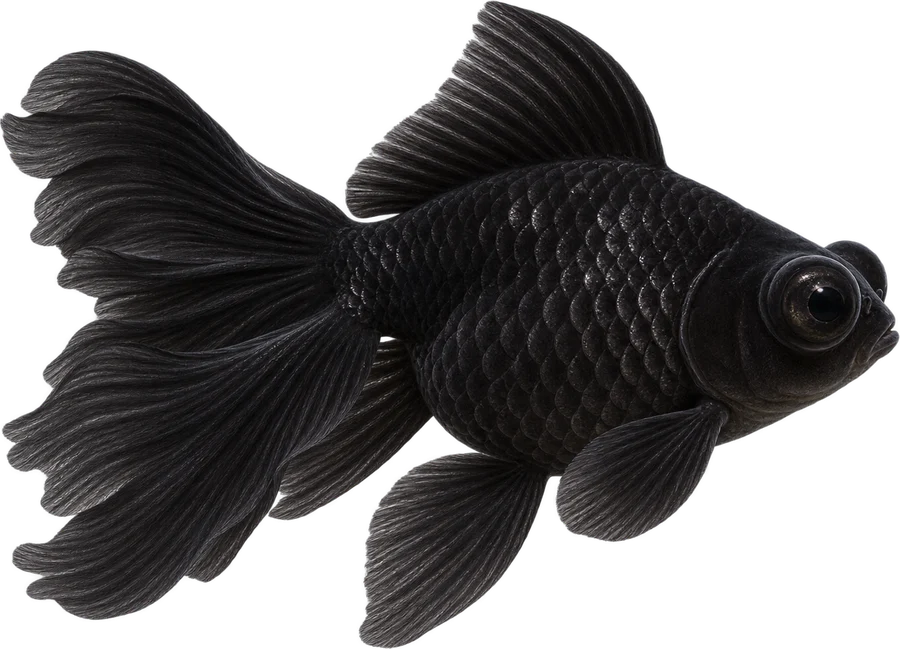
The black moor is a velvety black fancy goldfish with a round body, flowing double tail and telescope eyes that bulge out from the sides of its head. It is one of the most popular fancy goldfish because the black color stands out in a tank and the fish is calm and easygoing. Its big eyes see poorly and injure easily, so it needs smooth decor and slow, gentle tank mates.
- Adult size
- 8 in
- Tank size
- 29 gallons or more
- Temperature
- 65 to 75°F
- Water
- Fresh water
- Swims
- The middle of the tank
- Group size
- One is fine
- Lifespan
- 10 to 20 years
- Temperament
- Eats small fish
Is a black moor right for you?
Better with some experience. It is hardy in clean water, but its fragile eyes, poor eyesight and round body mean it needs smooth decor, careful choice of tank mates, sinking food and a large, well-filtered tank.
It is peaceful and slow and does not defend itself. Faster fish beat it to food, and nippy or curious fish may pick at its eyes.
What keepers say
Keepers like the black moor as one of the larger and more characterful fancy goldfish, often reaching 8 to 10 inches. The two topics that come up most are eye injuries, which can draw nibbling from other fish, and the black color fading to bronze, gold or orange as the fish ages. Finding safe tank mates is harder than for most goldfish.
What keepers like
- A grown black moor is one of the bigger fancy goldfish and has real presence in a tank.
- The solid black color looks striking against a dark background under daylight-style lighting.
- Moors are playful and will push small rocks and shells around the tank.
Good to know first
- The black color often fades to bronze, gold or orange with age, and keepers find it hard to prevent.
- A bumped or scraped eye can turn white and swollen, and other fish, even other goldfish and bottom dwellers, may then pick at it.
- Safe tank mates are hard to find because the bulging eyes are an easy target.
Tips keepers repeat
- Feed sinking pellets or gel food with vegetables rather than flakes alone, which can lead to buoyancy problems.
- Sand or a bare bottom is easier to keep clean than gravel, where waste settles out of sight.
- Move a moor with an eye injury to a separate tank, keep nitrate below about 20 ppm and treat it promptly.
- Indirect sunlight is said to help a moor keep its black color, though age and genetics matter most.
Summarised from keeper discussion on monsterfishkeepers.com. Links are at the foot of the page.
Black moor tank size and water
| Tank | 29 gallons or more. Best with other black moors or slow fancy goldfish; plan on 29 gallons for the first fish and about 10 more for each extra fish. |
|---|---|
| Water | 65 to 75°F, pH 6.5 to 7.5. Fresh water. does not need a heater at ordinary room temperature. |
| Food | It is an omnivore that does best on sinking pellets or gel food, with frozen or live foods a few times a week and blanched vegetables. Sinking food matters because its poor eyesight makes it miss food that drifts past, and two small meals a day are better than one large one. |
| Lifespan | 10 to 20 years with good care, so it is a long commitment. |
| Comes from | It does not live in the wild; telescope-eyed goldfish were bred from domestic goldfish in China, where the trait was known as dragon eyes. |
One black moor is fine on its own. Of the standard tank sizes, the 29, 40, 55, 75 and larger gallon tanks are big enough. Those sizes are for the grown fish: a 8 inch adult takes far more room than the young fish in the store.
Black moor tank mates
Often kept with
- Other black moors and telescope goldfish
- Fantails
- Orandas
- Ranchus
- Celestial and bubble eye goldfish, which also see poorly
Best kept apart from
- Comet, common and shubunkin goldfish, because these fast single-tailed fish take most of the food
- Tropical fish that need warm water, because goldfish do best in cooler tanks
- Fin nippers such as tiger barbs, which also target the eyes
- Dojo loaches and cory catfish, which have been seen picking at a moor's injured eye
- Sharp rocks and rough plastic plants, which can scratch or burst the eyes
Against the other fish on this site
- Will eat: white cloud minnow, neon tetra, zebra danio, guppy, cherry barb, harlequin rasbora, otocinclus catfish, cardinal tetra, ember tetra, galaxy rasbora, Endler livebearer, pygmy cory catfish, bumblebee goby, glowlight tetra, rummy nose tetra, serpae tetra, black neon tetra, honey gourami, German blue ram, panda cory catfish, cherry shrimp. Anything that fits in its mouth is food.
- Wants different water temperature: betta (male), angelfish, zebra pleco, gold nugget pleco, pearl gourami, discus, Boeseman's rainbowfish.
- Named under “Best kept apart from” above: comet goldfish, fancy goldfish, common goldfish, shubunkin, fantail goldfish, pearlscale goldfish, bubble eye goldfish, celestial eye goldfish, veiltail goldfish, bronze cory catfish, tiger barb, hillstream loach, pictus catfish.
No clash on size or temperature (17)
- Oranda goldfish
- Ryukin goldfish
- Ranchu and lionhead goldfish
- Rosy red minnow
- Rubber lip pleco
- Royal pleco
- Sunburst platy
- Red swordtail
- Black skirt tetra
- Dwarf gourami
- Rainbow shark
- Bala shark
- Congo tetra
- Jack Dempsey
- Common pleco
- Dalmatian molly
- Mystery snail
That list is worked out from adult size and temperature alone. Individual fish vary, and a tank that is too small makes peaceful fish fight.
Mistakes new owners make
- Decorating with sharp rocks, or spiky plastic plants, which can tear the eyes.
- Keeping it with fast goldfish or bottom-dwelling fish that out-compete it for food or pick at its eyes.
- Feeding only floating flakes, which a poor-sighted fish struggles to find and which can lead to floating problems.
- Chasing it around with a net, which can damage the eyes; guiding it into a container is gentler.
Buying black moors at the store
What to look for, and ask, before one goes in the bag.
- Check that both eyes are the same size, clear and undamaged, with no cloudiness, redness or swelling.
- Expect a young moor to look bronze or gray at first; the deep black and bulging eyes develop as it grows.
- Watch it swim and pass on any fish that floats, sinks, tilts or has clamped fins or a swollen belly.
- Plan for a fish of 8 inches or more and keep a new fish apart from existing ones for about 30 days.
What to buy for a black moor
By volume, the smallest standard tank that suits it is the 29 gallon (30 x 12 x 18 inches); check that its footprint and height suit a grown black moor too. Full, it weighs about 314 lb. It does not need a heater at ordinary room temperature. A real tank that is big enough: Aqueon 29 Gallon (paid link), 29 gallons, . Heaters and filters are not linked to products yet.
Paid links: the stand names below earn the site a commission.
| Stand that fits a 29 gallon | Top | Rated load | Price |
|---|---|---|---|
| Bestier 20 to 37 gallon stand | 30.7 x 13.8 in | 400 lb | |
| POKIPO 20 to 29 gallon stand, slide-out shelf | 31.5 x 15.8 in | 770 lb | |
| TOCRETOARE 40 gallon metal stand | 36.5 x 18.5 in | 660 lb |
For the floor of the tank, sand and gravel shows how many pounds a 29 gallon takes. Stands compares every stand.
Similar fish
 Fancy goldfish8 in, 29 gallons or more
 Fantail goldfish8 in, 29 gallons or more
 Oranda goldfish9 in, 29 gallons or more
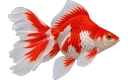 Ryukin goldfish8 in, 29 gallons or more
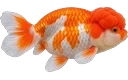 Ranchu and lionhead goldfish7 in, 29 gallons or more
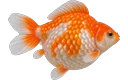 Pearlscale goldfish6 in, 29 gallons or more
- All goldfish typesSingle-tailed and fancy goldfish compared
See it before you buy it
Put one black moor in a tank that is big enough, add the fish you were thinking of keeping with it, and watch what the tank says about stocking, temperature and who gets along.
Sources
Checked by Ishan on 23 November 2026. Adult size is given as 5 to 8 inches by one reference and up to 10 inches by others, and keepers report 8 to 10 inches with some near 12, against the hub's 6 to 8; 8 inches is used here. Minimum tank advice runs from 20 gallons per fish to 29 gallons for one fancy goldfish, and the larger figure is used. Lifespan references range from 10 to 15 years to 6 to 25 years, and one reference gives a cooler 60 to 75 degrees Fahrenheit. The hub lists dojo loaches as a possible goldfish tank mate, but keepers report them picking at injured moor eyes, so they are listed here as fish to avoid.
- Wikipedia: Black telescope (telescope eye goldfish) care reference
- Fishkeeping World: Black moor goldfish care guide care reference
- LiveAquaria: Fancy goldfish (oranda, black moor, ryukin, pearlscale) care reference
- PetSmart: Black moor goldfish (store listing with care details) care reference
- Monster Fish Keepers thread: Black moor goldfish (size, diet, substrate and color) keeper discussion
- Monster Fish Keepers thread: Dojo loach and goldfish warning keeper discussion
- Monster Fish Keepers thread: Black moor changing colors keeper discussion
- Monster Fish Keepers thread: Black moor with a white, nipped eye keeper discussion
- Wikipedia: Telescope (goldfish) other names
- Fishkeeping World: Black Moor Goldfish other names
Care figures here come from the references listed and can still be wrong or out of date. Individual fish and tanks vary. Check with the store and a second care reference before you buy. Terms.