 Aquarium Fish Guide
Build a tank / Fish / Oranda
Oranda
Carassius auratus
Also known as: Red cap oranda, Oranda shishigashira
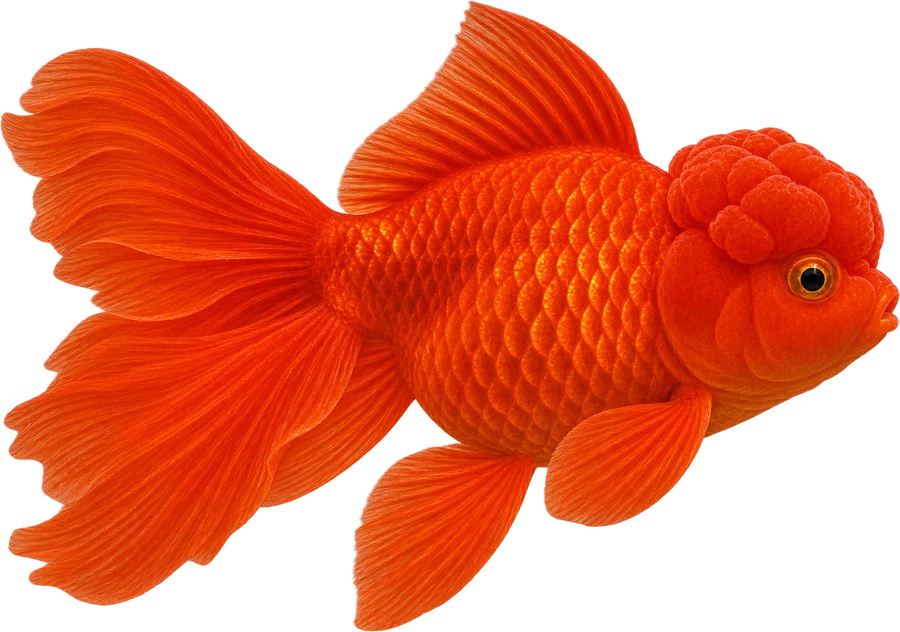
The oranda is a deep-bodied fancy goldfish with a long double tail and a soft, raspberry-like growth on its head called a wen. The wen starts to show in young fish but takes one to two years to fill out, and it keeps growing for years after that. People want orandas for that head growth, their bright colors and their calm, friendly nature, but the wen needs very clean water and can cause problems of its own.
- Adult size
- 9 in
- Tank size
- 29 gallons or more
- Temperature
- 65 to 75°F
- Water
- Fresh water
- Swims
- The middle of the tank
- Group size
- One is fine
- Lifespan
- 10 to 20 years
- Temperament
- Eats small fish
Is an oranda right for you?
Better with some experience. The wen is prone to bacterial infection and injury, so the fish needs very clean water, smooth decor and close watching, on top of the large tank and strong filtration every goldfish needs.
It is peaceful and slow swimming. A big wen can block its view, so it can lose out to quicker fish at feeding time.
What keepers say
Keepers love the oranda's head growth but spend a lot of time worrying about it. White patches on the wen are a frequent question, and the usual answer is that new wen tissue often starts out white, while cottony growth or wounds need treating. Keepers agree that frequent large water changes and gentle decor matter more than anything else, and that trimming a wen is a job for a vet or a very experienced keeper.
What keepers like
- A growing wen changes the look of the fish over its first few years, and new growth often colors up within about a week.
- Orandas eat a wide range of foods and settle well on pellets and vegetables.
- A fish with a wen that covers its eyes can often still find food, although it may move clumsily.
Good to know first
- It can be hard to tell normal new wen growth from an infection, since both can show up as white patches.
- Scrapes from ornaments can turn into fungal or bacterial infections on the head.
- A wen can grow over the eyes, and trimming it means sedating the fish, which can kill it if the dose is wrong.
Tips keepers repeat
- Change water often and in large amounts; some keepers change it whenever nitrate reaches about 20 ppm, or about half the water weekly.
- Choose pellets over flakes, add vegetable foods, and keep rich frozen foods such as bloodworms to an occasional treat.
- Treat a scraped or infected fish with clean water, less food, less light and aquarium salt, and get advice before reaching for stronger medicines.
- Leave wen trimming to a vet or a very experienced keeper who can sedate the fish safely.
Summarised from keeper discussion on monsterfishkeepers.com, aquariacentral.com. Links are at the foot of the page.
Oranda tank size and water
| Tank | 29 gallons or more. Best with other fancy goldfish; plan on 30 gallons for the first fish and about 10 more gallons for each extra fish. |
|---|---|
| Water | 65 to 75°F, pH 6.5 to 7.5. Fresh water. does not need a heater at ordinary room temperature. |
| Food | It is an omnivore that eats quality goldfish pellets, frozen foods such as brine shrimp and daphnia, and vegetables. Feed small meals, since overfeeding leads to constipation and swimming trouble, and fish with a large wen may need extra time to find and finish their food. |
| Lifespan | 10 to 20 years with good care, so it is a long commitment. |
| Comes from | It does not live in the wild; it is a domestic goldfish variety first bred in China, and its name comes from Japanese. |
One oranda is fine on its own. Of the standard tank sizes, the 29, 40, 55, 75 and larger gallon tanks are big enough. Those sizes are for the grown fish: a 9 inch adult takes far more room than the young fish in the store.
Oranda tank mates
Often kept with
- Other orandas
- Fantails
- Ryukins
- Black moors
- Pearlscales and other slow, round-bodied fancy goldfish
Best kept apart from
- Comet, common and shubunkin goldfish, because these fast single-tailed fish take most of the food
- Tropical fish that need warm water, because orandas do best in cooler tanks
- Snails and very small fish, which orandas may eat
Against the other fish on this site
- Will eat: white cloud minnow, neon tetra, zebra danio, guppy, cherry barb, harlequin rasbora, otocinclus catfish, cardinal tetra, ember tetra, galaxy rasbora, Endler livebearer, pygmy cory catfish, bumblebee goby, glowlight tetra, rummy nose tetra, serpae tetra, black neon tetra, honey gourami, German blue ram, panda cory catfish, cherry shrimp. Anything that fits in its mouth is food.
- Wants different water temperature: betta (male), angelfish, zebra pleco, gold nugget pleco, pearl gourami, discus, Boeseman's rainbowfish.
- Named under “Best kept apart from” above: comet goldfish, fancy goldfish, common goldfish, shubunkin, fantail goldfish, pearlscale goldfish, bubble eye goldfish, celestial eye goldfish, veiltail goldfish, mystery snail.
No clash on size or temperature (20)
- Ryukin goldfish
- Black moor goldfish
- Ranchu and lionhead goldfish
- Rosy red minnow
- Bronze corydoras
- Rubber lip pleco
- Royal pleco
- Sunburst platy
- Red swordtail
- Tiger barb
- Black skirt tetra
- Dwarf gourami
- Rainbow shark
- Bala shark
- Hillstream loach
- Congo tetra
- Jack Dempsey
- Common pleco
- Pictus catfish
- Dalmatian molly
That list is worked out from adult size and temperature alone. Individual fish vary, and a tank that is too small makes peaceful fish fight.
Mistakes new owners make
- Keeping an oranda in a small tank, which stunts its growth.
- Using sharp ornaments or rough gravel that cut the wen and fins and let infection in.
- Letting the water get dirty, since the wen is prone to bacterial infection.
- Keeping it with fast single-tailed goldfish that beat it to food.
Buying orandas at the store
What to look for, and ask, before one goes in the bag.
- Do not expect a big head growth on a young oranda, since the wen usually starts at a few months old and takes one to two years to fill out.
- Check that the wen is not already covering the eyes.
- Pass on fish with cottony white patches, open sores or wounds on the wen or body.
- Watch it swim and avoid any fish that floats, sinks, tilts or rests head-down on the bottom.
What to buy for a oranda
By volume, the smallest standard tank that suits it is the 29 gallon (30 x 12 x 18 inches); check that its footprint and height suit a grown oranda too. Full, it weighs about 314 lb. It does not need a heater at ordinary room temperature. A real tank that is big enough: Aqueon 29 Gallon (paid link), 29 gallons, . Heaters and filters are not linked to products yet.
Paid links: the stand names below earn the site a commission.
| Stand that fits a 29 gallon | Top | Rated load | Price |
|---|---|---|---|
| Bestier 20 to 37 gallon stand | 30.7 x 13.8 in | 400 lb | |
| POKIPO 20 to 29 gallon stand, slide-out shelf | 31.5 x 15.8 in | 770 lb | |
| TOCRETOARE 40 gallon metal stand | 36.5 x 18.5 in | 660 lb |
For the floor of the tank, sand and gravel shows how many pounds a 29 gallon takes. Stands compares every stand.
Similar fish
 Fancy goldfish8 in, 29 gallons or more
 Fantail goldfish8 in, 29 gallons or more
 Ryukin goldfish8 in, 29 gallons or more
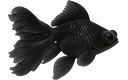 Black moor goldfish8 in, 29 gallons or more
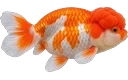 Ranchu and lionhead goldfish7 in, 29 gallons or more
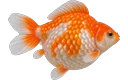 Pearlscale goldfish6 in, 29 gallons or more
- All goldfish typesSingle-tailed and fancy goldfish compared
See it before you buy it
Put one oranda in a tank that is big enough, add the fish you were thinking of keeping with it, and watch what the tank says about stocking, temperature and who gets along.
Sources
Checked by Ishan on 23 November 2026. Tank advice runs from 20 gallons for the first oranda plus 10 for each extra to a preferred 30 gallons, and keepers often call 20 gallons per fish comfortable; the figure here uses 30 gallons for the first fish plus 10 for each extra, in line with the goldfish overview. Adult size is given as 8 to 9 inches by one reference, up to 10 inches by a store listing and about 8 to 12 inches by another, so 9 inches is used here against the goldfish overview's usual 6 to 8. One reference gives a cooler 65 to 72 degrees Fahrenheit and a wider pH of 5.0 to 8.0, another says orandas tolerate 63 to 82 degrees but are sensitive to cold, and one care guide says orandas are not suited to outdoor ponds. One reference describes trimming the wen with scissors at home, while others say it should be done by an experienced aquatic vet under sedation.
- Wikipedia: Oranda care reference
- Fishkeeping World: Oranda goldfish care guide care reference
- California Fish Vet: Fish of the week, oranda care reference
- Chewy: 12 types of goldfish care reference
- LiveAquaria: Fancy goldfish (oranda, black moor, ryukin, pearlscale) care reference
- Aquarium Co-Op: Care guide for fancy goldfish care reference
- PetSmart: Assorted oranda goldfish listing care reference
- PetSmart: Red and white oranda goldfish listing care reference
- Monster Fish Keepers thread on a white mass inside an oranda's wen keeper discussion
- Monster Fish Keepers thread on fungus on an injured oranda keeper discussion
- Monster Fish Keepers thread on diet for oranda goldfish keeper discussion
- AquariaCentral thread on the tissue of the oranda wen and trimming it keeper discussion
- That Pet Place: Red Cap Oranda Goldfish other names
Care figures here come from the references listed and can still be wrong or out of date. Individual fish and tanks vary. Check with the store and a second care reference before you buy. Terms.